My (frankly, excessive) beauty budget and what I spend it on.
Many think as a former shopping addict I spend all of my discretionary money on clothes. Wrong. I’m actually a sucker for high-end skincare and beauty products. And I used my extensive product knowledge to talk my way into freelance writing jobs covering everything beauty budget, skin care, cosmetic procedures, and more outlets like Real Self and The Huffington Post.
I would call it more of a hobby-level interest, but I have tried a lot of products and a lot of non-surgical procedures in my 20s and 30s. In 2020, even with the pandemic and the birth of our baby boy, I spent close to $3,000 on “personal care.” In 2021, in my divorce era and “single mom on the dating circuit” phase, it was closer to $5k and in 2023 it will end somewhere around the $4200 mark.
Financial influencers are calling it the “Hot Girl Hamster” wheel – and I have to agree. It can feel like enough is never enough. So what’s a normal amount to spend on a beauty budget? And what isn’t?
Want access to my free financial worksheets? Click here to subscribe (it’s free!) and gain instant access to a budgeting printable, debt pay-off tracker, and more.
How much should you spend on your beauty budget and personal care?
In my popular piece “How much should I spend on clothing” I have a neat, tidy little number — 5% of take-home income is a rough guideline for TOTAL family clothing expenditures. A rough estimate is another 5% of your take-home pay, at least according to this article from GoBankingRates, but the reality is many women may be spending far more. For the women who spend the “average” of $300 per month or more, this is closer to a 10% portion of a paycheck.
Creating a beauty budget is a bit trickier. Everyone needs clothing but may have different thresholds between what’s acceptable and what isn’t. I also know that I started spending considerably more on my general appearance after I hit 30. My own annual beauty spend falls squarely inside the register of “normal” according to a 2020 survey by Groupon. The women in the study spent an average of over $300 per month on beauty products, skincare, and cosmetic treatments. That’s close to $3,500 per year.
Ways to Keep Your Beauty Budget Spending in Check
I am someone who got horrible, cystic acne in my early 20s. I spent a lot of my free time when I lived in New York City going to Skin Spa to have laser treatments (which was pretty novel back in 2010) to lighten up my acne scars and smooth out the skin on my chin.
After thousands (thousands!!!) of dollars spent on one tiny patch of my face, it’s pretty even, but you can notice some light dimpling on the right side of my chin when I stand in direct sunlight.
But after that first laser procedure, I was hooked. I’ve since lasered everything you can think of off of my skin and tried every product known to man in search of that elusive Instagram-filter-like skin. It’s expensive, but I do often put on my “financial expert” hat and try to find ways to shave this bottom line. Below are my best tips.
You can create a new budget with a line item for self-care/routine maintenance.
It is a loose budget for me, but I try to keep my “beauty” spending to $500 per quarter (or around $150 per month.) It isn’t a month-to-month thing as I usually go get my hair colored and purchase refills on my products once every 10-12 weeks or so. Here are some related articles if you want help setting a budget for this kind of thing:
- How to Create a Workable Budget in 6 Steps
- The 50-30-20 Budgeting Method
- How to pay off debt from beauty treatments
- 4 Real-Life Budgeting Examples from Bloggers We Love
- Four steps I took to create a $400/year beauty routine [The Financial Diet]
You can create a sinking fund where you allocate a set amount each month for quarterly expenses like hair color, etc.
Go back into your financial data and look at how much you spent on beauty treatments (nails, hair color, hair cuts, eyebrow threading, waxing, whatever!) for an entire calendar year. Then, take that amount and break it down by month or quarter and automate that money every month into a separate account.
I like using the Qapital app to save up for my bi-annual filler appointments. It’s an app that can save for you and I like having it automatically sneak smaller amounts from my bank account over time, so at that annual appointment, I have a bank of money waiting on me and I don’t have to use a credit card.
Snag discounts where you can.
I’ve also bought new, in-the-box jars of La Mer for half off on Ebay. No, this doesn’t sketch me out and it’s a good way to get a very expensive product for much, much less.
The TL:DR
You know what your personal beauty kryptonite is, which is why it is important to set rules. Just like with my shopping triggers, I set rules in place so my spending doesn’t get out of control.
- I only buy trial size versions of products I want to test out first (when I can) or I trade with friends. Nope, trading doesn’t sketch me out, either.
- I only buy a new product of something once I run out (I also just hate stacks of bottles and clutter everywhere.) I literally have a drawer full of Sephora samples and I use those to get me through the few days between online purchase and when the package arrives on my doorstep.
- I ask for gift cards on holidays and birthdays. You can always just ask for gift cards to your favorite place to buy these items or to your local salon. It’s better than something that will go out of style, and you know it will get used!
I’ve also been toying around with swapping to drugstore brands instead of high-end for what little make-up I use post-COVID. After all, kiddo has to go to college!
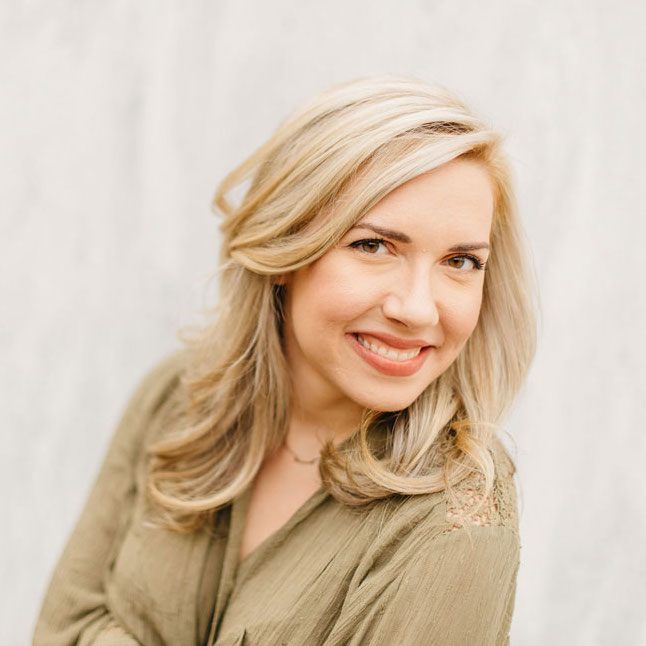
Lauren Bowling is the creator of Financial Best Life. Writing about money since 2012 (formerly as L Bee and the Money Tree), Bowling is an award-winning blogger and money and real estate expert whose advice has been featured on CNBC, Forbes, CNNMoney, Elite Daily, Business Insider, Redbook, and Woman’s Day Magazine and more. After selling the site to a division of The Motley Fool in 2019, Bowling is now back as the owner and primary voice behind FBL and is excited to continue educating elder millennials everywhere about how to afford their best life.